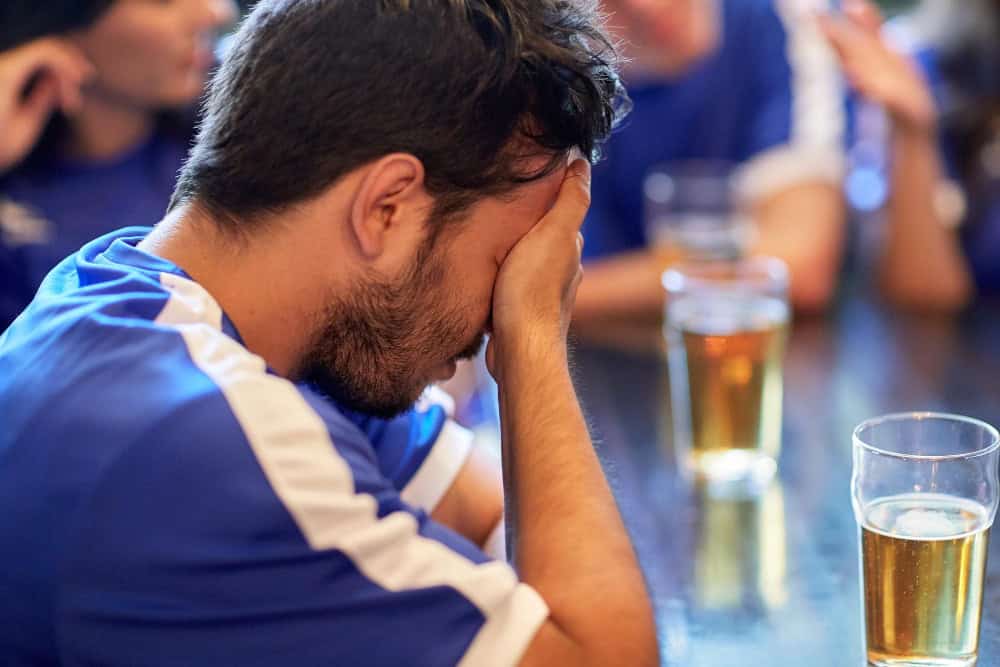
Alcohol and social anxiety fuel one another. Whether it’s a couple of drinks before a party, date, or work function, alcohol calms your nerves in the moment. That’s also why it becomes a problem. Regularly drinking signals your brain that you can’t handle social situations without booze. Anxiety worsens over time, your drinking ramps up, and you can develop alcohol use disorder.
You might pour yourself a glass of wine while dressing up for dinner. Or maybe you’ll order a beer to unwind before your coworkers arrive. The room feels cozier and less intimidating after the first one. It also keeps your hands busy when you’re conversing. Wanting that ease is understandable. Plenty of adults who hate feeling watched or judged turn to alcohol too.
Does Drinking Help Social Anxiety?
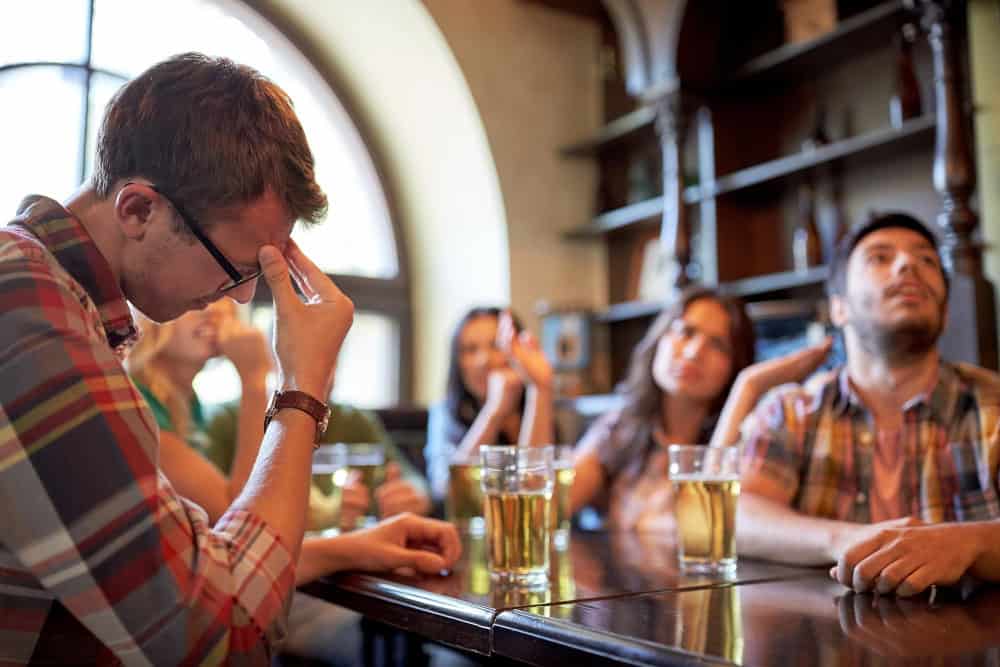
Short answer: Yes. Alcohol disinhibits you and silences your self-monitoring or inner voice that is continually assessing how you look and sound. Conversation flows more easily when drinking. That immediate relief from anxiety is real. That’s why mental health experts have long understood why social anxiety and alcohol frequently go hand-in-hand. Researchers recruited 48 heavy social drinkers ages 21 to 28 for a study published in Addictive Behaviors in 2023. Participants wore ankle alcohol monitors for seven days. The findings? Highly social anxious drinkers drank more when surrounded by strangers.
Over the long run, though, the answer is no. Social anxiety is a persistent fear of being judged or embarrassed, so a drink only postpones the test. Alcohol wears off within hours, and the worry it muted comes back on schedule. First dates and networking events put you around the people you know least, which makes them the nights a drink feels most necessary.
Why Drinking Makes Social Anxiety Worse Over Time
Picture a good night out with a drink in your hand. You talked to strangers, and nobody seemed to mind, so the drink gets the credit. Your sober self never gets a turn. After enough nights like it, skipping the drink feels risky and skipping the party feels safer.
Next-day anxiety fuels the cycle. Many alcohol users wake up with a brain spinning with everything they said at the party. A phenomenon that many have dubbed hangxiety. Alcohol also disrupts sleep quality, so you wake up tired in addition to being worried. Your baseline anxiety gets bumped up a few notches, and you feel even worse when that next invitation comes along. Meanwhile, your body grows accustomed to alcohol. Now two glasses do what one used to. This progression is gradual. That’s how using alcohol to cope can develop into alcohol use disorder.
When Drinking to Cope With Social Anxiety Becomes a Problem
A drink at a wedding isn’t a problem on its own. The difference shows up when a drink isn’t an option. Four patterns suggest alcohol has become your way of getting through social situations. Seeing yourself in more than one of them is a good reason to take a closer look at the last few months.
- You drink at home before you leave, so you arrive already buzzed.
- You turn down invitations to events where nobody will be drinking, like a baby shower or a morning hike.
- You can’t picture talking to a date or a coworker with a clear head.
- The same ease takes more drinks than it did a year ago.
A two-week journal makes the pattern easier to see. Note which events you drank before, which you skipped, and how many drinks it took to feel settled. A doctor or therapist can start from those specifics. Bring the pages to a first appointment.
Why Social Anxiety and Drinking Need Treatment Together
Quitting alcohol by itself leaves social anxiety where it was. The worry about the next dinner is still there, and a drink is still the quickest way out of it. Treating only the anxiety leaves the habit in place, too. Reaching for a glass keeps working against every skill you practice in therapy. Care for co-occurring disorders treats social anxiety and drinking in the same plan, so neither one keeps running in the background.
Of all the treatments for anxiety, cognitive-behavioral therapy (CBT) and exposure-based therapy are backed by the most research. With CBT, you compare predictions (“everyone will notice my shaking hands”) with reality once you enter the room. With exposure, you start small. With your therapist, you create a ranked list of feared situations. Divide them into categories from mildly uncomfortable to nearly impossible. Such as getting your own coffee or talking to your neighbor for two minutes. You’ll stay with each situation until the fear naturally peaks and subsides, then move on to the next.
How Outpatient Treatment Works for Alcohol and Social Anxiety
You can treat both while maintaining employment and your normal routine. Programs can be as little as weekly visits or as much as several hours a day during the weekdays. In either case, you get to sleep in your own bed at night. Some people begin with weekly sessions and increase days if the drinking escalates or the anxiety worsens. An outpatient program works for social anxiety because you practice during the time in between visits: the staff meeting, the grocery line, the Friday dinner you’ve been avoiding. Your therapist has more material to work with when you return.
Group therapy puts you in a room of adults who know the feeling firsthand, which makes it a gentle form of exposure. Individual sessions focus on the thinking patterns behind the fear and on triggers for a drink, like a stressful week. A doctor may also bring up naltrexone or acamprosate for the drinking. If a step feels too big, your therapist can slow the pace and break it into smaller ones.
Begin Social Anxiety and Alcohol Treatment Today
Grace Recovery Center treats co-occurring social anxiety and alcohol use together. You don’t have to choose which one to fix first. The goal is to feel at ease in the room before anyone hands you a drink. If alcohol and social anxiety decide which invitations you accept, contact our admissions coordinators today and name the event you dread most.